Tenant Placement vs. Property Management: How to Choose
Tenant placement finds you a resident and then hands the property back to you. Property management finds the resident and then runs the tenancy: rent, repairs, lease enforcement, renewals and move-out. If you live nearby, own one simple rental and have the time to be a landlord, placement alone can be enough. If you own several doors, live out of town, or want to be hands-off, management is usually the safer fit.
This guide explains what each service covers, how the incentives differ, where the legal risk stays with you, and how to decide for a single-family home, a small multifamily or a build-to-rent portfolio.
TL;DR
- Tenant placement covers marketing, showings, screening and the lease. Your involvement starts again the day the tenant moves in.
- Property management includes all of that, plus rent collection, maintenance, inspections, notices and renewals, for as long as the tenancy lasts.
- Outsourcing does not outsource liability. As the owner, you remain responsible for Fair Housing compliance even when someone else screens applicants.
- Placement suits nearby, experienced, low-unit-count owners. Management suits remote owners, growing portfolios and anyone whose goal is stable returns with minimal involvement.
Table of Contents
- What tenant placement actually covers
- What property management adds after move-in
- Side-by-side comparison
- Where the money really differs
- The incentive question
- The legal risk that stays with you
- Which one fits your situation
- Worked example: one house, two choices
- When you plan to sell
- The Auben perspective
- How to evaluate any provider
- Working with Auben
- FAQ
- Sources
What tenant placement actually covers
Tenant placement is a transactional service. Its job ends when a lease is signed and the tenant has the keys. According to the National Association of Realtors, it centers on filling a vacancy, including marketing, showing and screening, while management is an ongoing relationship that continues across the whole tenancy.
A typical placement scope looks like this:
- Pricing advice. A rent recommendation based on comparable listings.
- Marketing. Photos, a listing description and syndication to the major rental sites.
- Showings. Scheduling and walking prospects through the home.
- Screening. Application intake, credit, income and rental history checks.
- Lease preparation and signing. Often including the first month’s rent and security deposit handling at move-in.
After that, the owner takes over. Rent arrives in your account, or it does not. A late-night leak is a call to you. A lease violation is yours to document and enforce.
Placement is usually billed as a one-time fee. Scope varies from provider to provider, so ask for the list of included tasks in writing.
What property management adds after move-in
Management includes every placement task and then keeps going. The difference is the daily friction of owning a rental, which a manager absorbs.
- Rent collection and accounting. Rent is collected, late notices go out on schedule, and you receive monthly statements and owner distributions.
- Maintenance coordination. Work orders are triaged, vendors are dispatched and invoices are reviewed before you see them.
- Inspections. Periodic walk-throughs catch small problems before they become expensive ones.
- Lease enforcement. Notices, cure periods and, when needed, the legal process are handled by someone who does it routinely.
- Compliance. Federal, state and local housing rules change, and a manager’s job includes keeping up.
- Renewals and turnover. Renewal offers, move-out inspections, deposit reconciliation and make-ready work.
The NAL framing is useful here: a manager acts as the ongoing buffer between owner and tenant, while a leasing agent is primarily a sales role. For an investor, that is the choice between filled units and well-maintained, stable tenancies.
Side-by-side comparison
| Tenant placement | Property management | |
|---|---|---|
| Main goal | Fill the vacancy | Protect income and the asset over time |
| Length of relationship | Ends at lease signing | Ongoing, through renewals and turnover |
| Screening | Included | Included |
| Rent collection | You | Manager |
| Maintenance calls | You | Manager and its vendors |
| Lease enforcement | You | Manager |
| Typical fee style | One-time fee | Recurring fees, plus leasing and other charges as agreed |
| Best for | Nearby, experienced owners with time | Remote owners, multiple units, hands-off investors |
The fee rows are deliberately general. Prices differ by market, property type and scope, so compare written quotes line by line instead of trusting a headline number.
Where the money really differs
It is tempting to compare a one-time placement fee against a monthly management fee and pick the smaller number. That comparison is incomplete.
With placement only, you are paying yourself in time. Count the hours you will spend on rent follow-up, repair coordination, vendor vetting and inspections. Add the cost of mistakes: a poorly written notice, a slow response to a maintenance issue, or a vendor who overcharges because nobody is checking invoices.
With management, ask what is in the monthly fee and what is billed separately. The common line items to compare are:
- The monthly management fee and whether it applies during vacancy
- A leasing fee when a new tenant is placed
- Renewal fees
- Maintenance markups or coordination fees
- Fees for project oversight on larger repairs or renovations
- Termination terms if you want to leave
A lower headline fee with more add-ons can cost more than a higher all-in one. Ask each provider to quote the same property and the same twelve months, including one turnover.
The incentive question
The person finding your tenant is paid in a specific way, and that shapes behavior. A leasing-only arrangement pays when a lease is signed. That does not make anyone dishonest, but it does mean the incentive points at speed.
This is a live issue in build-to-rent. NAR notes that rental commissions in BTR depend on the developer, builder or management company. Their guidance for investors is to check how a representative is paid: a simple referral fee, or a structure tied to longer-term tenant stability. The research behind this article draws the same line. An agent whose goal is getting a tenant in is different from a management firm whose goal is keeping a tenant long term.
A practical test: ask any provider what happens if the tenant leaves in month four. If the answer is a re-leasing credit or a partial refund, the provider has something at stake in the outcome. If the answer is a new fee, you know where the incentive sits.
The legal risk that stays with you
This is the part owners most often misjudge. Choosing tenant placement does not make tenant selection a plug-and-play service.
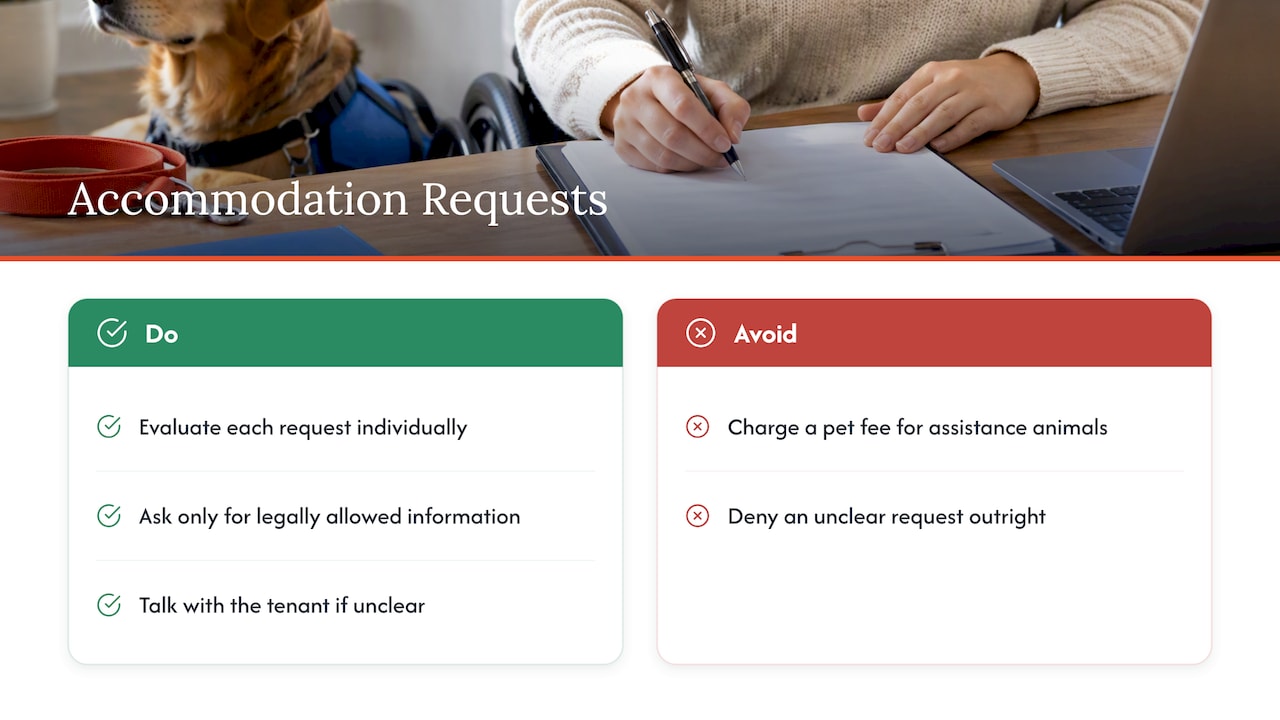
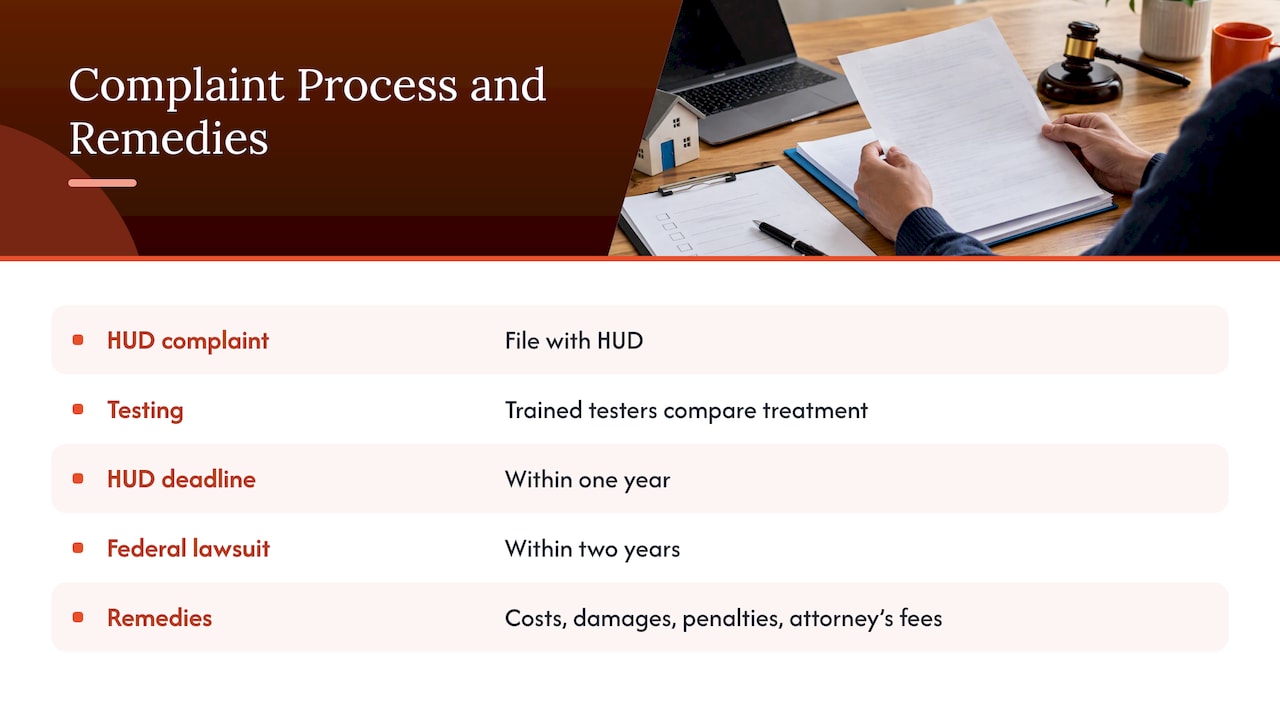
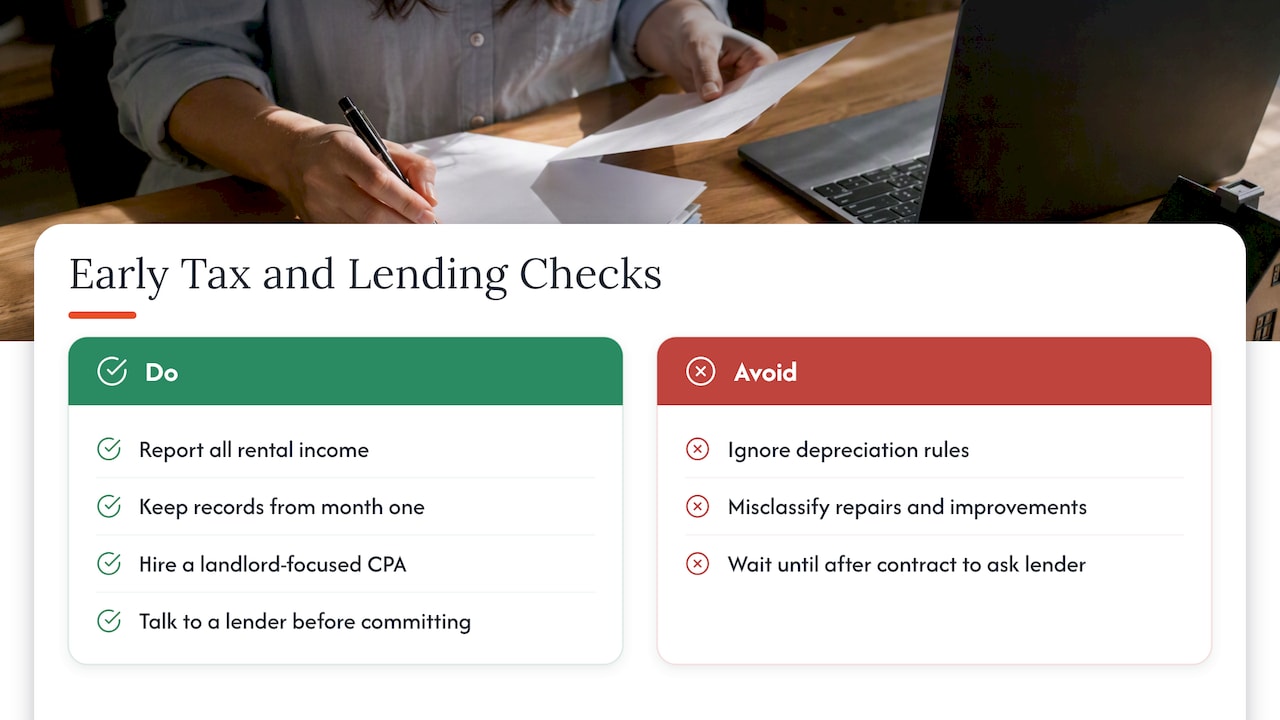
HUD’s guidance on screening says that housing providers remain responsible under the Fair Housing Act whether they screen applicants themselves or use a management company or screening vendor. The same guidance warns against off-the-shelf criteria, and it says applicants should have a full opportunity to contest negative information. In practice:
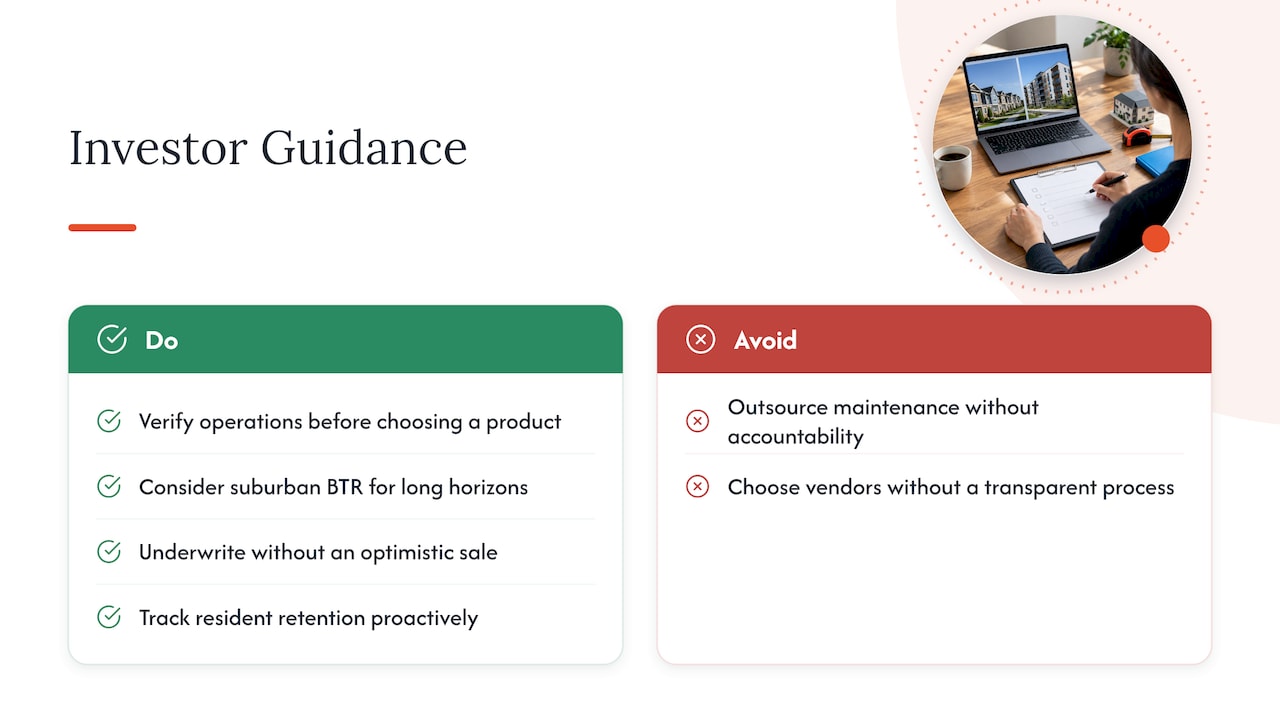
- Ask for the written screening criteria the provider will apply, and approve them before the first showing.
- Prefer criteria that are specific, consistent and published, rather than a black-box score that returns only approve or deny.
- Ask who handles disputes when an applicant says a record is wrong.
Then there is denial. If you use consumer reports to turn someone down, the Fair Credit Reporting Act requires adverse action notices. HUD’s notice guidance says this applies to landlords and property managers alike. If you pick placement only, get it in writing whether the provider sends those notices or whether the task falls back on you. A missed notice is an avoidable legal exposure.
We cover the owner’s side of these rules in more detail in our guide to fair housing for landlords. If you want to see how income thresholds typically fit into screening criteria, our post on the rent-to-income ratio is a good start.
For anything specific to your situation, such as a denied applicant who is disputing a report, talk to a real estate attorney licensed in your state.
Which one fits your situation
Placement alone can work if
- The property is within a short drive and you can show it, inspect it and meet a plumber on short notice.
- You own one or two units and have landlord experience.
- You are comfortable with your state’s notice and eviction procedures.
- You have a reliable handyman and a repair reserve.
- You value control over the day-to-day more than your time.
Management is the better fit if
- You live in another city or state from the property.
- You own several doors, or you plan to add more.
- You work full time and do not want a second job answering tenant calls.
- The property is a multifamily building or part of a build-to-rent community, where volume and consistency matter.
- You are an investor measuring returns, and a vacant month or a bad turnover shows up in your numbers.
A middle path
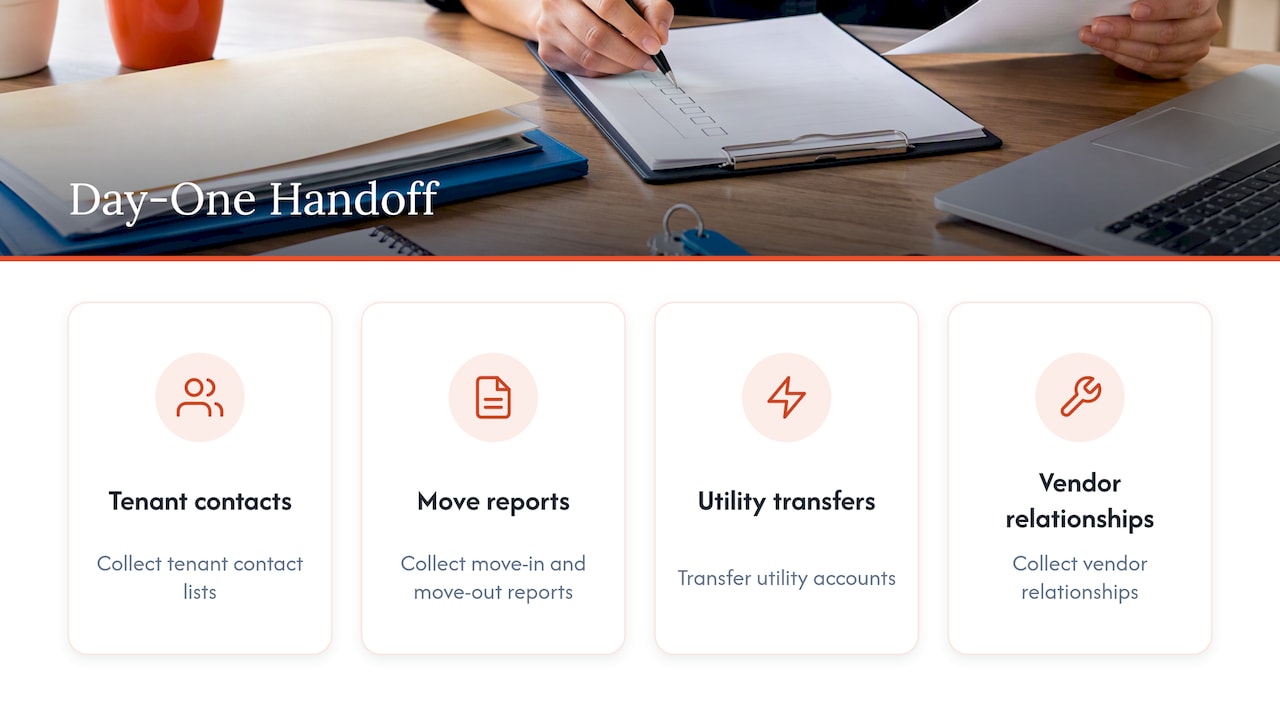
Some owners start with placement for a first lease, find out how much work the rest is, and then move to management at renewal. That can be a reasonable way to test. Make sure your agreements allow a clean transition, including how tenant files, deposits and vendor contacts are handed over.
Worked example: one house, two choices
Imagine you own a single-family rental in Jacksonville and live three hours away. Your tenant gives notice.
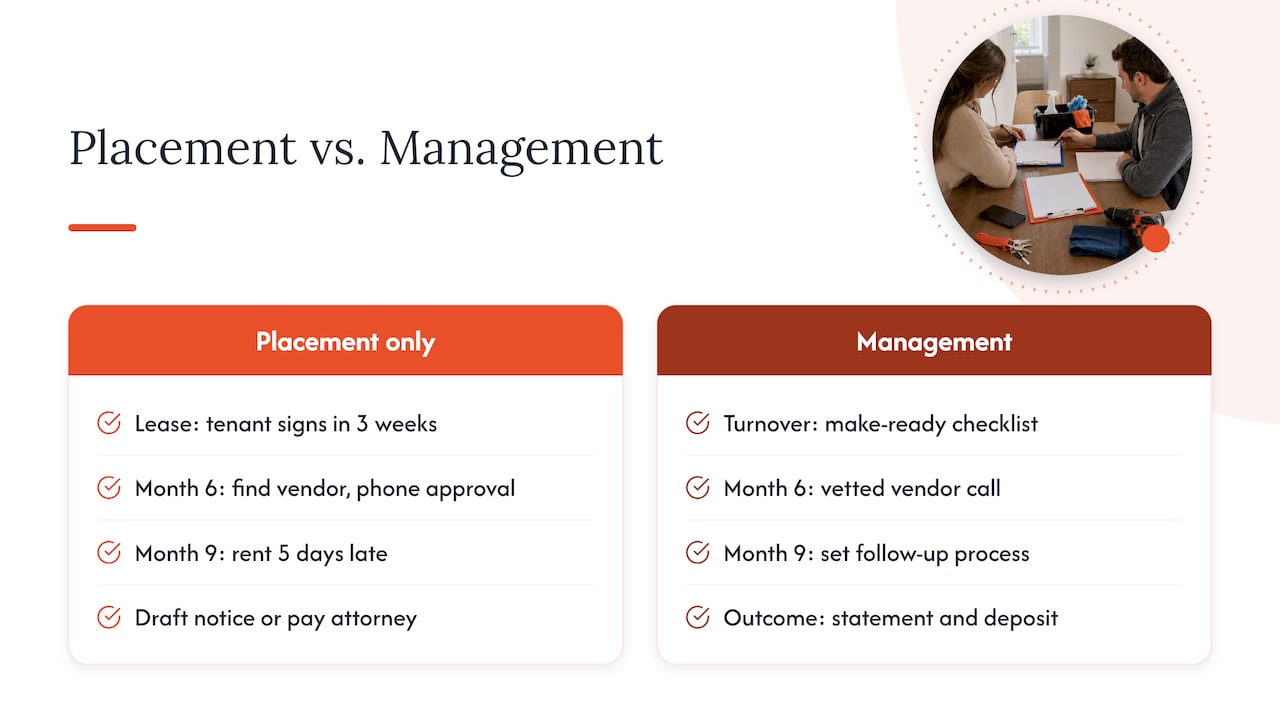
With placement only: you hire someone to list and screen. A new tenant signs in three weeks. In month six the water heater fails on a Sunday. You search for a vendor, authorize the repair by phone and hope the invoice is fair. In month nine rent is five days late and you are drafting a notice, or paying an attorney to.
With management: the same turnover goes through a make-ready checklist, the heater call goes to a vendor that is already vetted, and rent follow-up follows a set process. You get a statement and a deposit.
The example is illustrative, not a promise of results. But it shows where the value sits: not in finding the tenant, but in everything that follows.
When you plan to sell
Owners also ask how the tenant decision affects a future sale. A rental with a good tenant, clean payment records and documented maintenance is easier to present to buyers. If you are weighing a sale of a tenant-occupied home, the lease terms and notice rules matter, and a guide on selling a rental property walks through tenant-law pitfalls and buyer retrades from a San Diego seller’s perspective. Rules differ by state, so check yours before listing.
The Auben perspective
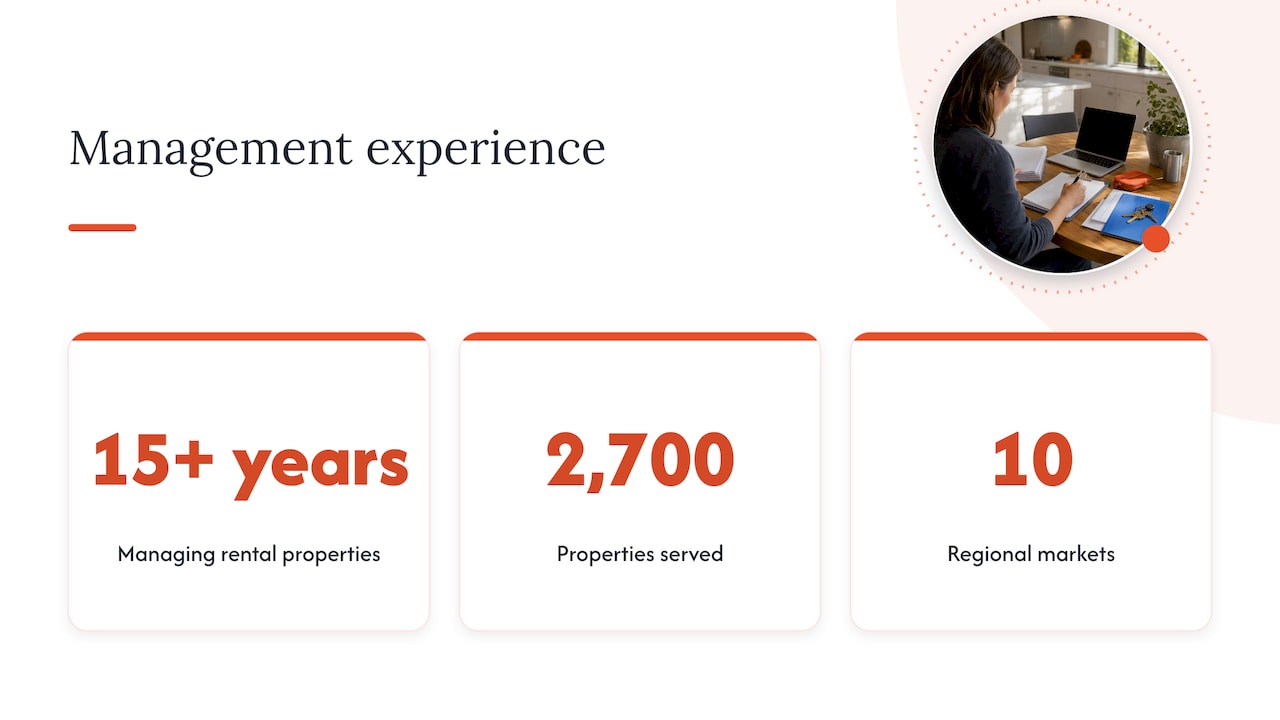
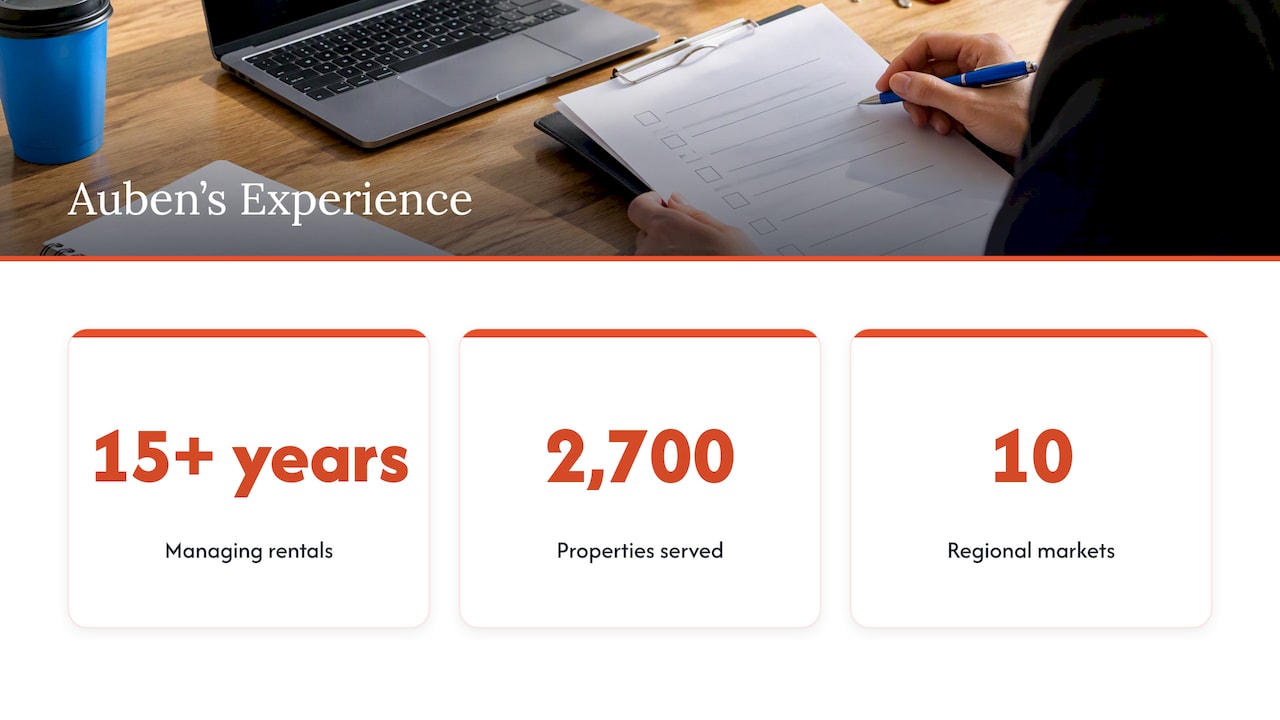
We manage rentals for a living, so we are not neutral, and we will tell you where we stand. Over more than 15 years we have served 2,700 properties across 10 regional markets, and the pattern is consistent: the expensive problems in a rental almost never happen on the day a lease is signed. They happen in month five, month eleven, and at turnover.
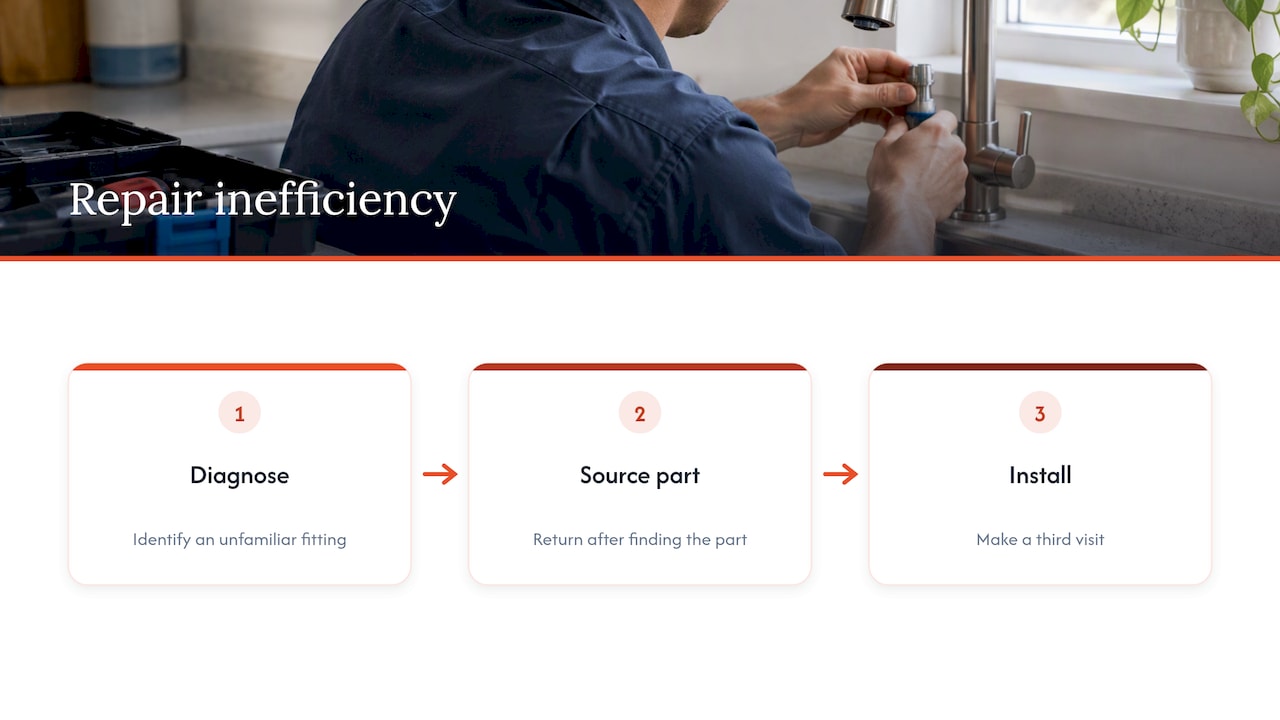
That is why we organize around the whole tenancy. Our teams work in pods, so the people who know your property and your residents are the same people you deal with. Maintenance is handled in house, vendor selection is transparent, and we work on resident retention from the first month, because a resident who renews is the cheapest vacancy you will ever fill. Technology keeps the routine work fast and visible to you.
We also place tenants, and we do not pretend placement is worthless. A careful leasing process matters a great deal. We simply think leasing and management belong together, because the person who screens a tenant should be accountable for how that tenancy goes.
— MediaBeast
How to evaluate any provider
Whether you choose placement or management, ask the same questions:
- What exactly is included? Get the task list in writing.
- How is the provider paid? Understand every fee, and when each applies.
- What are the screening criteria? You should be able to read them and approve them.
- Who sends adverse action notices? Get a clear answer.
- What happens if the tenant leaves early? Look for shared accountability.
- How are vendors chosen and invoices checked? Transparency here protects your margin.
- How do I exit? Read the termination terms before signing.
- Who is my contact? A named team beats a ticket queue.
Working with Auben
If you want leasing and the ongoing work handled by one accountable team, our property management service covers leasing and tenant placement, rent collection, maintenance and resident retention. If you own multifamily or build-to-rent assets, see our multifamily and build-to-rent services. We work in Charleston, Columbia, Fort Worth and Dallas-Fort Worth, Kansas City and Overland Park, Houston and Jacksonville. You can also read our take on build-to-rent management if you are investing in that segment.
FAQ
What is the difference between a leasing agent and a property manager?
A leasing agent finds and signs a tenant, and then the job is done. A property manager does that and then handles rent, repairs, inspections, notices and renewals for the life of the tenancy. The first is a transaction; the second is an ongoing relationship.
Does tenant placement protect me from Fair Housing liability?
No. HUD’s guidance says the owner remains responsible for compliance even when a third party screens applicants. Review and approve the criteria in advance, and ask a real estate attorney in your state if you are unsure.
Is there a 7% rule for rental property?
Not in official IRS guidance. Rental tax treatment depends on factors such as whether you materially participate in the activity under the passive activity rules. A CPA can tell you how that applies to you.
Can I switch from placement to management later?
Yes, and many owners do. Before you sign the first agreement, confirm how tenant files, deposits and vendor contacts would transfer, so the change is smooth at renewal.
Sources
- Should You Add Property Management Services? (NAR)
- Tapping Into the Build-to-Rent Market (NAR)
- Guidance on Application of the Fair Housing Act to the Screening of Applicants for Rental Housing (HUD)
- Notice Obligations under FCRA, Adverse Action (HUD)
- Rental real estate activities, passive activity rules (IRS)